
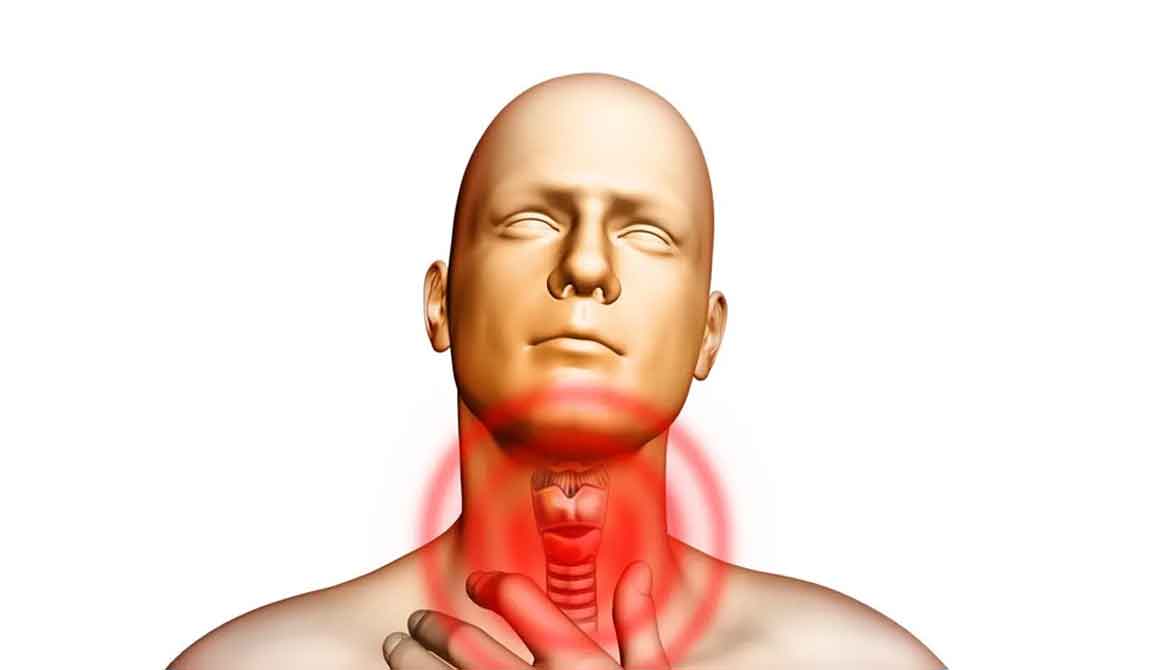
A patient coughing while drinking water, feeling food getting stuck in the throat, or finding eating increasingly anxiety-provoking is not a minor complaint on its own. For this reason, the question of how dysphagia treatment is planned focuses not only on reducing symptoms but also on accurately identifying the underlying cause. This is because difficulty swallowing may be a common symptom of many different problems involving the mouth, pharynx, larynx, and esophagus.
How is dysphagia treatment planned and why is it individualized?
Dysphagia, meaning a swallowing disorder, is not a single disease. In some patients, neurological causes are prominent, while in others there may be laryngopharyngeal reflux, impaired muscle coordination, structural narrowing, tumor-related processes, or problems that develop after surgery. Therefore, proper planning is not based on a standard prescription but on a detailed evaluation.
When preparing the treatment plan, three basic questions are answered first. At which stage of swallowing does the problem occur, has the patient’s feeding safety been affected, and is the underlying cause a medical, functional, or surgical problem? Treatments given without making this distinction are often incomplete.
One of the most important points in clinical practice is understanding to what extent the swallowing difficulty affects the patient’s daily life. Weight loss, frequent lung infections, significantly prolonged mealtimes, difficulty with fluid intake, and a choking sensation while eating are findings that require further evaluation.
What is evaluated during the initial assessment?
The first step in planning dysphagia treatment is a detailed patient history. When the complaint began, whether it is more pronounced with solid foods or liquids, whether pain accompanies it, voice changes, coughing, weight loss, reflux complaints, and previous surgeries are carefully questioned. In pediatric patients, refusal to eat, growth retardation, frequent lung infections, and developmental history are also particularly important.
An ear, nose, and throat examination is then performed. At this stage, simply looking at the throat is not sufficient. The base of the tongue, pharynx, larynx, vocal cords, and anatomical structures involved in swallowing need to be evaluated in detail. This is because sometimes the patient may think there is a problem in the esophagus, while the actual problem may be inadequate protective closure at the level of the larynx.
One of the most valuable steps in the diagnostic process for swallowing disorders is endoscopic evaluation. With endoscopic swallowing evaluation, the stage at which food becomes stuck during swallowing, whether there is entry into the airway, secretion control, and the status of protective reflexes can be directly observed. This method is particularly valuable in assessing safe feeding.
Some patients may also require advanced examinations such as transnasal esophagoscopy. In this way, the upper parts of the esophagus, structural narrowing, mucosal changes, or reflux-related effects can be demonstrated more clearly. Not every test is performed on every patient. Which examination is necessary is determined according to the nature of the complaint.
Main factors that determine the treatment plan
The primary goal in dysphagia treatment is not only to help the patient swallow more comfortably. It is also to reduce the risk of aspiration, maintain adequate nutrition, and treat the underlying disease. Therefore, planning is considered under several headings.
First, the type of cause is important. In dysphagia related to neurological diseases, rehabilitation and swallowing therapy may be the priority, whereas an interventional or surgical approach may be required in cases of structural narrowing. In reflux-related laryngeal irritation, medical treatment and lifestyle modifications have an important role.
Second, severity is assessed. In mild cases, dietary modification, adjustment of liquid consistency, and follow-up may be sufficient. However, patients with frequent aspiration, significant weight loss, or recurrent lung infections require a faster and more intensive treatment plan.
The third point is the patient’s age, accompanying diseases, and daily life needs. For example, accompanying laryngeal problems should also be addressed in professional voice users. In elderly patients, muscle strength, neurological status, and overall nutritional balance directly affect treatment success.
Which methods are used in dysphagia treatment?
The treatment option is determined according to the diagnosis. Medical treatment is sufficient in one group of patients. If reflux, infection, mucosal irritation, or inflammatory processes are present, appropriate medications are planned. However, medication is not the solution for every case of dysphagia. Therefore, it is not appropriate for patients to spend long periods self-treating with antacids or similar products.
Swallowing therapy has an important role in functional swallowing disorders. This therapy aims to help the patient use the swallowing muscles more effectively, strengthen protective mechanisms, and feed more safely. The therapy plan differs for each patient. Some people experience significant relief with posture changes, while others require specific exercises and consistency adjustments.
Dietary regulation is also part of the treatment. Modifications such as solid foods, pureed foods, or thickened liquids may be recommended temporarily or for a longer period. The aim here is not to restrict the patient but to ensure safe feeding. Unnecessary restriction may reduce quality of life, while inadequate adjustment may increase the risk of aspiration. Therefore, the decision should be made through clinical evaluation.
Interventional procedures or surgery may be required in structural disorders. When narrowing, cricopharyngeal dysfunction, masses, or anatomical obstructions are identified, the treatment plan changes. When making a surgical decision, the expected benefit, possible risks, and alternative options are evaluated in detail. Not every anatomical finding requires surgery; however, in some cases, delaying surgery may seriously compromise feeding safety.
The role of a multidisciplinary approach in how dysphagia treatment is planned
Swallowing disorders often do not remain within the boundaries of a single specialty. A multidisciplinary approach is particularly important in neurological diseases, conditions after head and neck surgery, elderly patients, and childhood swallowing problems. Support from an ENT specialist, gastroenterology, neurology, speech and swallowing therapy specialists, and a dietitian may be required.
The important point here is that the process should be coordinated rather than fragmented. The patient’s current stage, feeding safety, recommendations to be applied at home, and follow-up intervals should be clearly determined. In complex cases requiring advanced evaluation, this coordination determines the success of treatment.
As in the practice of Prof. Dr. Elif Aksoy, an approach based on endoscopic and functional evaluation provides a major advantage, especially in patients whose cause remains unclear or who have not found a solution at different centers previously. This is because seeing the details in swallowing disorders is the foundation of choosing the correct treatment.
Why is planning different in children and elderly patients?
Planning dysphagia treatment in pediatric patients differs from that in adults. Feeding behavior, developmental milestones, neuromotor status, and family observations are at the center of treatment. A child may sometimes be unable to describe difficulty swallowing; instead, the condition may present with food selectivity, prolonged feeding times, or frequent coughing. Therefore, the parents’ history is highly valuable.
In elderly patients, muscle weakness, neurological diseases, dental problems, medication use, and accompanying systemic diseases may make the condition more complex. In this group, the aim is not only to correct an anatomical problem but to create a safe and sustainable plan while considering the patient’s overall health status.
The follow-up process is an integral part of treatment
Dysphagia treatment is not a process that is planned once and then left unchanged. After the initial evaluation, the patient’s response to treatment should be monitored and the plan should be updated when necessary. Regular follow-up is essential, especially in patients receiving swallowing therapy, undergoing dietary modification, or having surgery.
During follow-up, whether the patient’s complaints have decreased, how their weight is progressing, and whether coughing and aspiration findings are continuing are reassessed. Endoscopic examination may be repeated if necessary. While some patients show significant improvement within a short period, treatment progresses gradually in other cases. This difference is related to the nature of the disease.
One of the most challenging aspects for patients is uncertainty. Therefore, it is very important to explain the treatment plan clearly, specify which findings require re-evaluation, and establish realistic expectations. In swallowing disorders, reassuring physician communication is as valuable as the technical part of treatment.
Difficulty eating, coughing, or feeling that food is getting stuck should not be normalized over time. With proper evaluation, many causes of dysphagia can be brought under control, safe feeding can be restored, and quality of life can improve significantly. The most appropriate starting point is to identify the cause of the complaint without delay through a detailed and expert evaluation.
