
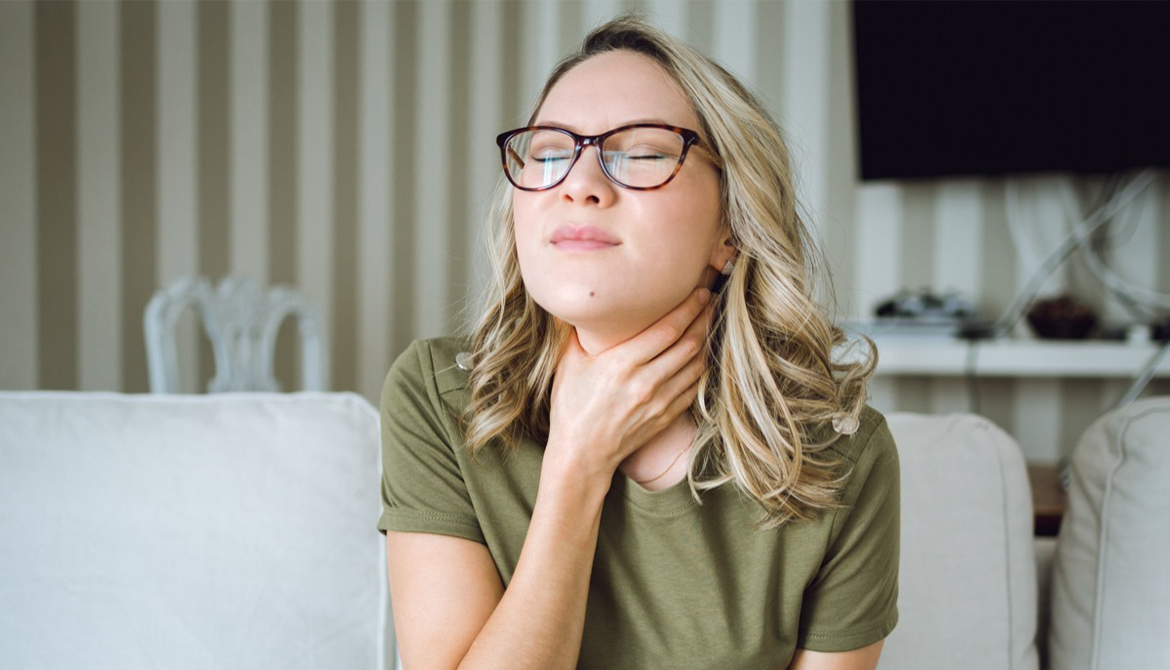
Coughing while eating, feeling that water is going down the wrong way while drinking, or sensing that a bite of food is stuck in the throat is not always a simple issue. Swallowing endoscopy is an important examination focused on swallowing safety that helps directly assess the functional problem underlying these symptoms. It may be particularly important for an accurate diagnosis in people with recurrent lung infections, weight loss, neurological disease, or a history of treatment involving the head and neck region.
Swallowing is not simply a matter of the throat muscles working. The tongue, palate, pharynx, larynx, vocal cords, sensory mechanisms, and the correct timing of breathing all work together. Even a small disruption in this chain can cause food or liquid to enter the airway, resulting in aspiration. In some patients, coughing does not occur when material enters the airway. This condition, called silent aspiration, requires special attention because it can make it more difficult for the person to recognize the problem.
What is swallowing endoscopy?
Swallowing endoscopy, medically known as flexible endoscopic evaluation of swallowing or FEES, involves advancing a thin, flexible camera through the nose to examine the pharynx and larynx. During the examination, the patient is asked to swallow foods of different consistencies and amounts. This allows assessment of preparation before swallowing, residue remaining in the throat after swallowing, and the risk of food entering the airway.
The procedure allows swallowing to be observed under conditions close to everyday life. The patient is usually seated; dentures may be used if necessary, and consistencies that cause difficulty in daily life can be tested in a controlled manner. In this respect, it is not only an anatomical imaging procedure but also an individualized functional assessment.
Swallowing endoscopy is not the same procedure as transnasal esophagoscopy. In transnasal esophagoscopy, the esophagus is examined to lower levels in order to assess structural problems, narrowing, or certain mucosal changes. The main focus of swallowing endoscopy is the safety and effectiveness of swallowing at the pharyngeal-laryngeal level. Which examination is appropriate is determined according to the nature of the complaint.
For which complaints is swallowing endoscopy recommended?
Not every sensation of food getting stuck in the throat requires endoscopy; however, certain complaints make detailed evaluation necessary. Recurrent coughing with solid foods or liquids, a choking sensation, a wet or gurgling voice after meals, a frequent need to clear the throat, and pain while swallowing should be taken into consideration.
Evaluation of swallowing function becomes even more important in the following situations:
- Swallowing difficulty developing after stroke, Parkinson’s disease, dementia, ALS, or neuromuscular diseases
- Having undergone surgery, radiotherapy, or chemotherapy for head and neck cancer
- A history of vocal cord paralysis, laryngeal surgery, or prolonged intubation
- Recurrent pneumonia, unexplained fever, or lung infections
- Unintentional weight loss, prolonged meal times, and significantly increased difficulty with eating
- Feeding refusal in children, coughing while swallowing, growth and developmental delay, or recurrent respiratory tract infections
Reflux, postnasal drip, or throat dryness may also make swallowing uncomfortable. However, these complaints should not be confused with aspiration. Endoscopic evaluation helps distinguish the source of the complaint and avoid unnecessary treatments.
What is evaluated during the procedure?
In the first stage of the examination, the nasal passage, nasopharynx, base of the tongue, pharynx, larynx, and vocal cords are reviewed. The appearance of the tissues, vocal cord movement, saliva accumulation, function of the pharyngeal muscles, and sensory responses are included in the evaluation. In some patients, accumulation of saliva in the pharynx even before swallowing begins may indicate advanced functional impairment.
Food trials are then performed using consistencies and amounts considered appropriate by the physician. Thin liquids, thickened liquids, purees, or solid foods may carry different risks. For example, one person may cough while drinking water but swallow a thicker consistency safely. In another patient, puree consistency may leave residue in the pharynx. Therefore, observation with only one type of food does not always provide sufficient information.
Two main questions are answered during the evaluation: Is food entering the airway, and does significant residue remain in the throat after swallowing? In addition, the effect of compensatory strategies such as changing head position, taking small sips, swallowing twice, or choosing a specific consistency can also be observed during the procedure. In this way, recommendations are based not on general assumptions but on the individual’s own swallowing pattern.
Preparation before swallowing endoscopy and the procedure experience
Most patients do not require special preparation. However, because food trials will be performed during the examination, the physician’s instructions regarding fasting or eating should be followed. Medications being used, especially blood thinners, neurological treatments, and diabetes medications, should be reported in advance. Informing the physician about foods that cause difficulty in daily life, previous lung infections, and changes in weight also strengthens the evaluation.
As the camera is advanced through the nose, there may be brief pressure in the nose, tearing, or an urge to sneeze. When necessary, a local anesthetic or decongestant spray may be applied inside the nose. However, because numbing agents may affect swallowing sensation, the extent of their use is carefully planned according to the individual. The examination is generally brief, and the patient can usually return to daily life afterward.
Swallowing endoscopy does not involve radiation. This feature makes it easier to perform follow-up evaluations when necessary and to reassess the effectiveness of swallowing strategies. Nevertheless, in situations such as active nosebleeding, certain recent nasal surgeries, severe agitation, or marked respiratory distress, the timing or method of the examination may be changed.
How do the results change the treatment plan?
Treatment of swallowing difficulty is not one-size-fits-all. Based on the endoscopic findings, adjustments to food consistency, positioning recommendations during meals, swallowing therapy, strengthening of oral hygiene, reflux treatment, or interventions directed at the underlying neurological or structural problem may be planned. The aim is not only to help the person eat more comfortably, but also to maintain adequate nutrition and protect against pulmonary complications.
In some patients, voice and swallowing problems occur together. Reduced vocal cord movement, loss of laryngeal sensation, or anatomical changes after surgery may affect both the voice and airway protection. In such situations, coordination between the ENT specialist, speech and language therapist, neurology, gastroenterology, nutrition specialist, and, when necessary, pulmonology teams is valuable.
Swallowing endoscopy also has limitations. Because the image is briefly obscured during the actual moment of swallowing, the procedure cannot directly show certain details; it also does not assess the oral preparatory phase or the entire esophagus. Therefore, some patients may require videofluoroscopic swallowing study, transnasal esophagoscopy, imaging methods, or additional gastroenterological examinations. The most appropriate approach is based not on the result of a single test, but on the combined interpretation of symptoms, examination findings, and necessary complementary assessments.
When is prompt evaluation necessary?
Evaluation should not be delayed if swallowing difficulty is accompanied by shortness of breath, recurrent choking, rapidly developing weight loss, bloody saliva, a newly developed significant voice change, or recurrent lung infections. If sudden swallowing difficulty occurs together with weakness of the face, arm, or leg, speech disturbance, or altered consciousness, emergency medical attention is required.
Swallowing problems are often masked by strategies such as eating slowly, pushing food down with water, or avoiding certain foods. These adaptations may help maintain daily life, but they do not eliminate the cause of the problem. A detailed evaluation performed at the right time is the first step in creating a personalized roadmap that protects both nutritional and respiratory safety.
