
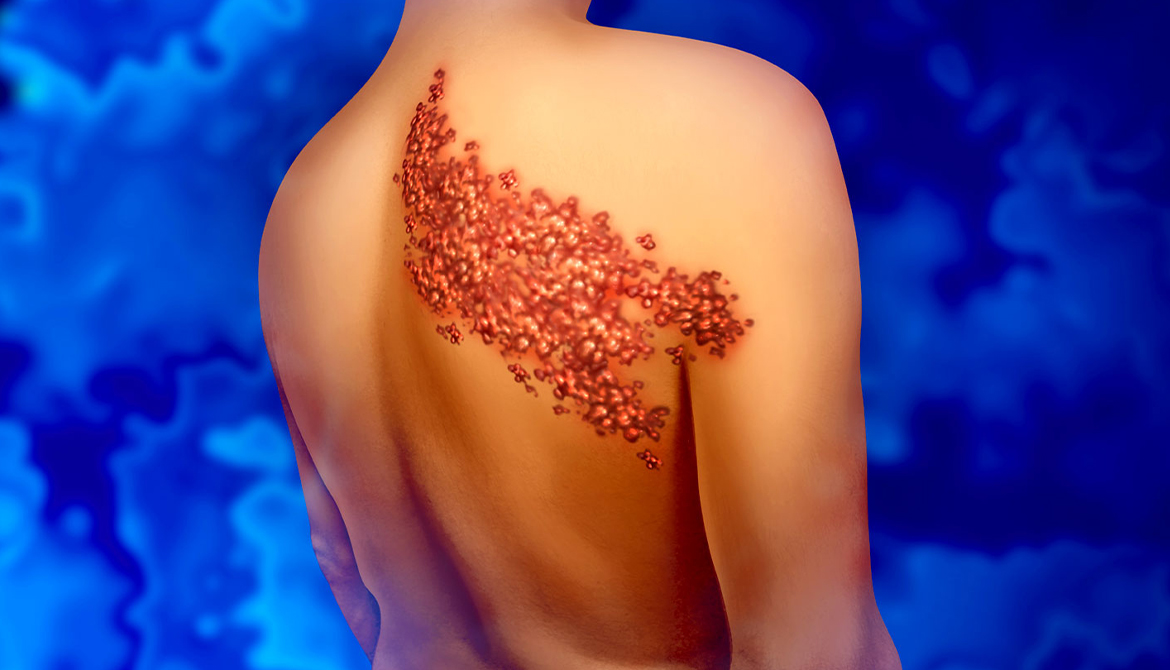
What Is Shingles?
Shingles (Herpes Zoster) is a viral disease caused by the reactivation of the Varicella Zoster virus, which causes chickenpox in childhood, years after the initial infection. It typically presents with painful, fluid-filled blisters on one side of the body.
Shingles is more common in people over the age of 50 and those with weakened immune systems. One of its most significant complications is severe nerve pain that can persist for months or even years after the rash has healed (postherpetic neuralgia). Shingles affecting the area around the eye can cause serious complications, including vision loss.
Who Should Receive the Shingles Vaccine?
According to current international recommendations, the recombinant shingles vaccine (Shingrix) is recommended for:
- All adults aged 50 and older,
- Adults aged 19 and older whose immune systems are weakened due to illness or treatment.
People who have previously had shingles or received an older type of shingles vaccine can also benefit from the recombinant shingles vaccine.
How Effective Is the Shingles Vaccine?
Shingrix is a recombinant vaccine that does not contain live virus. In clinical trials, it demonstrated over 90% efficacy in preventing shingles in adults aged 50 and older with healthy immune systems.
The vaccine significantly reduces the risk of developing shingles and serious complications such as postherpetic neuralgia.
How Many Doses of the Shingles Vaccine Are Needed?
The vaccine is administered as a total of two doses. The doses are usually given 2–6 months apart. For some immunocompromised patients, this interval may be shortened to 1–2 months following a physician’s assessment.
The most common side effects include pain at the injection site, fatigue, muscle pain, headache, and a short-lived fever. These effects generally resolve within a few days.
Should People Who Have Previously Had Shingles Get Vaccinated?
Yes. Having had shingles does not provide lasting protection, as the disease can recur. However, the vaccine should not be administered during an active episode of shingles; the timing of vaccination should be assessed by a physician.
Conclusion
Shingles is more than a painful skin condition; it is an infection that can cause long-lasting nerve pain and other complications, significantly affecting quality of life, particularly in older adults.
The shingles vaccine is an effective preventive health measure against the disease and its complications. People over the age of 50 and those with weakened immune systems are particularly encouraged to review their vaccination status with their physicians.
Note: Vaccination recommendations are based on international guidelines. Licensing, availability, and administration requirements in Türkiye, as well as your individual health status, should be assessed separately.
References
- Centers for Disease Control and Prevention (CDC). Shingles Vaccination Recommendations.
- CDC. Clinical Overview of Shingles (Herpes Zoster).
- Cunningham AL, et al. Efficacy of the Herpes Zoster Subunit Vaccine in Adults 70 Years of Age or Older. New England Journal of Medicine. 2016;375:1019–1032.
- Lal H, et al. Efficacy of an Adjuvanted Herpes Zoster Subunit Vaccine in Older Adults. New England Journal of Medicine. 2015;372:2087–2096.
Prof. Dr. Elif Aksoy
Ear, Nose and Throat Specialist – Voice and Swallowing
