
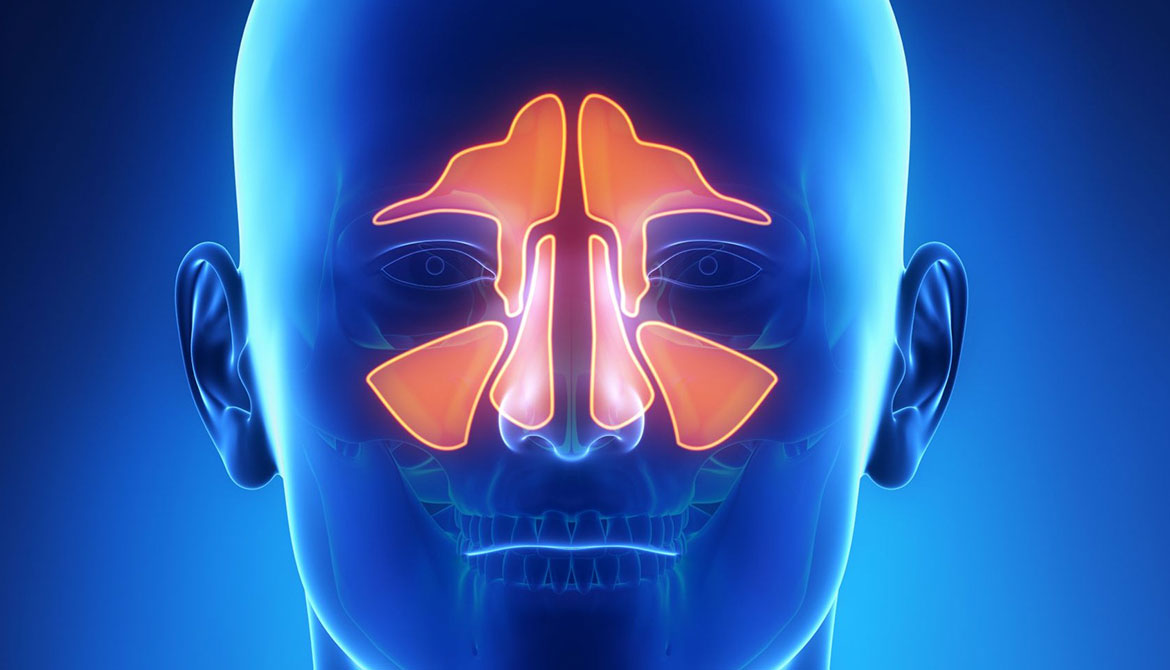
Relationship with Dental Implants and Points to Consider
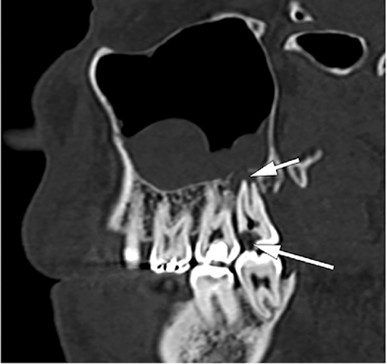
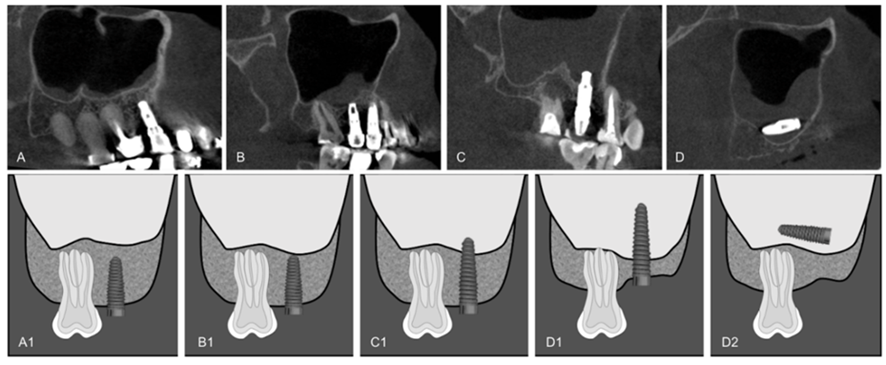
In recent years, along with the significant increase in dental implant applications, there has also been a rise in cases of odontogenic sinusitis (tooth-related sinusitis). Particularly, the anatomical proximity between the upper posterior teeth and the maxillary sinus can lead to teeth being the primary cause of sinusitis in some patients. As an otolaryngologist, in my clinical practice, I detect underlying dental pathology in a significant portion of long-lasting and treatment-resistant unilateral sinusitis cases.
What is Odontogenic Sinusitis?
Odontogenic sinusitis most commonly develops as a result of infections originating from the upper jaw (maxilla) posterior teeth spreading to the maxillary sinus. The roots of the upper posterior molar teeth are very close to the sinus floor in most people. In some individuals, the tooth root can extend directly into the sinus. Therefore, tooth root infections, failed root canal treatments, periapical abscesses, oroantral fistulas formed after tooth extraction, sinus lifting procedures, and dental implants can lead to maxillary sinusitis.
Are Dental Implants Increasing Odontogenic Sinusitis?
Yes, an increase in odontogenic sinusitis rates has been reported in the literature over the last 10-15 years. The most important reasons for this are: the increase in implant applications, the widespread use of sinus lifting surgeries, and the rise in implant demands at advanced ages. However, an important point needs to be emphasized here: Properly planned implants performed with appropriate technique do not cause sinusitis.
Risk generally increases in the following situations:
- Implant placement too close to the sinus floor
- Perforation of the sinus membrane
- Insufficient sterility
- Overlooking pre-existing chronic sinusitis
- Peri-implantitis developing after implant placement
Which Symptoms Suggest Tooth-Related Sinusitis?
Odontogenic sinusitis is typically unilateral. The following symptoms are typical:
- Unilateral nasal congestion
- Foul-smelling discharge on the same side
- Pressure sensation in the cheek and tooth root area
- Toothache or sensitivity in the implant area
- Sinusitis that does not resolve despite antibiotic treatment
Particularly in unilateral sinusitis lasting longer than 3 months, paranasal sinus CT imaging is important.
The Most Critical Point in Treatment: Eliminating the Source
Treatment directed only at the nose is not sufficient in odontogenic sinusitis.
For successful treatment:
- Treatment of dental pathology
- Extraction of the infected tooth
- Removal of the failed implant
- Revision of root canal treatment
- Endoscopic sinus surgery (when necessary)
- Ensuring sinus drainage
- Cleaning of inflamed tissue
Collaboration between the maxillofacial surgeon (Dentist) and ENT specialist is the most appropriate approach.
What Should Be Considered Before Getting an Implant?
I make the following recommendations to patients planning to get implants:
- Detailed sinus evaluation should be performed beforehand
- If chronic sinusitis exists, it should be treated first
- Sinus lifting procedure should be performed by an experienced surgeon
- Smoking should be discontinued
- If unilateral nasal discharge develops after implant placement, ENT examination should not be neglected
Who is at Higher Risk?
- Those with chronic sinusitis
- Those who have previously undergone sinus surgery
- Diabetes patients
- Heavy smokers
- Individuals with weakened immune systems
Dental implants are one of the most successful treatment methods of modern dentistry. However, procedures performed in areas adjacent to the maxillary sinus can lead to odontogenic sinusitis if proper planning is not done. In long-lasting, unilateral, and treatment-resistant sinusitis cases, tooth-related causes must be investigated. Permanent recovery is possible in these patients with early diagnosis and a multidisciplinary approach. If you have unilateral persistent sinusitis, nasal discharge that started after implant placement, and facial pain after dental treatment, you can consult ENT specialist Prof. Dr. Elif Aksoy for detailed evaluation.
