
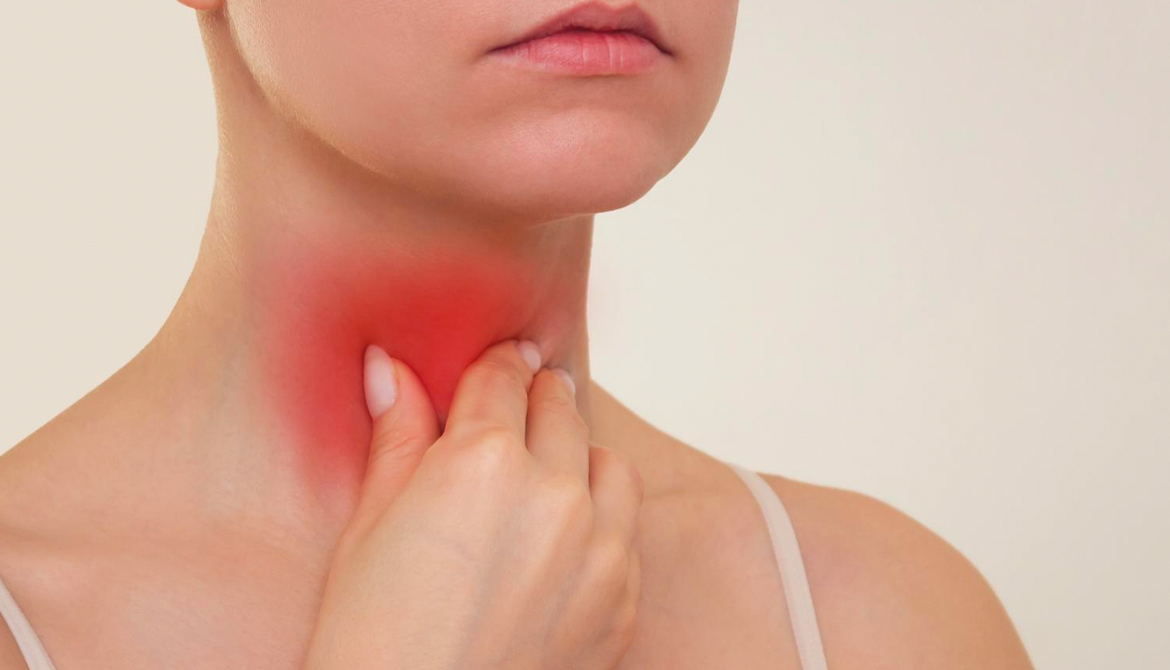
Vocal cord nodules are benign vocal cord diseases that we frequently see especially in people who use their voice intensively. They are often noticed with complaints such as hoarseness, voice splitting, quick fatigue, or frequently recurring hoarseness.
What is a Vocal Cord Nodule?
Vocal cords are very sensitive structures that vibrate during speech and enable sound production. When there is continuous pressure, incorrect voice use, or excessive strain on these cords, small symmetrical bumps form in the middle part of the vocal cords. These bumps are called “vocal cord nodules.”
With a simple analogy, nodules are calluses of the vocal cords. Just like calluses form on the feet due to constant friction, vocal cords try to protect themselves in this way against intensive use.
Who Gets Them More Frequently?
Vocal cord nodules are more common in people who use their voice frequently and at high pitch due to their profession.
The most at-risk occupational groups are:
- Teachers
- Religious officials
- Lawyers
- Call center employees
- Singers and vocal artists
In these individuals, prolonged voice use, shouting, incorrect breathing technique, or lack of attention to vocal hygiene facilitates nodule formation.
Do They Resolve on Their Own?
If vocal cord nodules are detected early and the person learns proper voice use, they can often completely regress on their own or with voice therapy.
However, if the voice continues to be used incorrectly, nodules harden, become permanent, and hoarseness becomes chronic.
For this reason, instead of waiting thinking “it will pass anyway,” being evaluated by an ENT specialist and starting voice therapy is of great importance.
How is Treatment Done?
The basis of treatment is learning to use the voice correctly.
During this process:
- Vocal hygiene education is provided,
- Correct speech and breathing techniques are taught through voice therapy,
- If necessary, accompanying conditions such as reflux and allergies are also treated.
Voice therapy enables most nodules to shrink and the voice to regain its former quality.
In resistant cases, vocal cord nodules can be surgically shaved under microscope. However, even after surgery, voice therapy must definitely be continued to prevent recurrence of the nodule.
Vocal cord nodules are not always a situation to be feared, but they should not be neglected.
With professional support taken early, both voice quality is preserved and complete recovery can be achieved without the need for surgery. Remember, a healthy voice is not only a communication tool but also a part of your identity.
Frequently Asked Questions
1-) Do vocal cord nodules turn into cancer?
No, vocal cord nodules are benign lesions and do not turn into cancer. However, some lesions thought to be nodules may be different diseases; therefore, endoscopic examination and evaluation with stroboscopy if necessary is important.
2-) Can vocal cord nodules resolve on their own?
If detected early and the person rests their voice and corrects voice use, the nodule can completely disappear on its own or with voice therapy.
3-) Should I not speak if I have a vocal cord nodule?
Complete silence is not recommended. What matters is correct and controlled voice use. Speaking with correct techniques accompanied by a voice therapist is a much more effective approach than remaining silent.
4-) Does the nodule recur after vocal cord surgery?
If the person continues to use their voice incorrectly, the nodule can recur. Therefore, voice therapy must definitely be performed in the post-surgical period.
5-) How can I protect my voice?
- Avoid speaking loudly for long periods.
- Drink enough water.
- Do not consume cigarettes and alcohol.
- Get treatment if you have reflux and allergies.
- Rest when you feel voice fatigue.
Vocal cord nodules are a voice disorder that should not be neglected, but can be completely corrected with proper treatment. With early diagnosis and voice therapy, a healthy, strong voice is possible in most cases without the need for surgery.
Prof. Dr. Elif Aksoy
ENT Diseases Specialist
Voice and Swallowing Disorders Specialist
Teşvikiye ENT Group
