
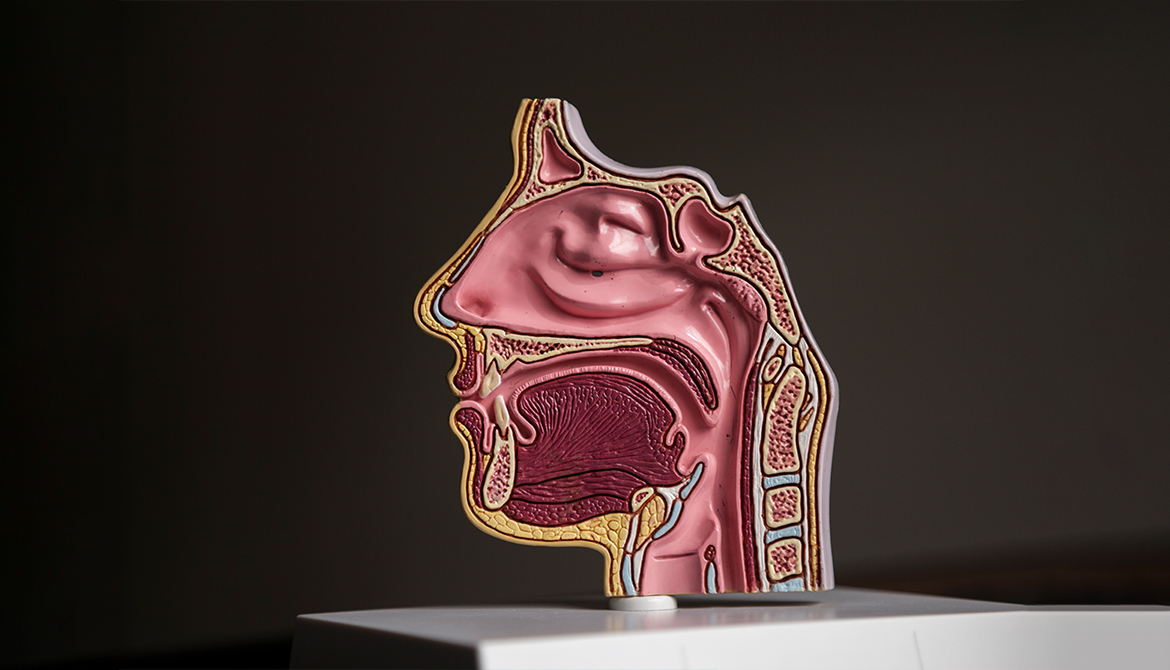
If your voice has not sounded the same for several weeks, if speaking becomes noticeably more difficult by the end of the day, or if your voice has changed suddenly, it should not simply be attributed to fatigue. This vocal cord diseases guide has been prepared to explain which symptoms are associated with common problems, why proper evaluation is necessary, and how treatment options are determined.
The vocal cords are delicate structures located within the larynx that open during breathing and vibrate regularly during speech. Changes in voice quality may originate from the vocal cords themselves, the nerves that move them, surrounding tissues, or improper and excessive voice use. Therefore, not every case of hoarseness indicates the same disease, and the same treatment is not appropriate for everyone.
Vocal cord diseases guide: Which symptoms are important?
Hoarseness is the most common symptom, but it is not the only one. Voice breaks, a higher or lower pitch, a breathy voice, rapid fatigue while speaking, or inability to speak loudly may also indicate a voice disorder. Some people may also experience a sensation of something being stuck in the throat, a constant need to clear the throat, burning, a tickling sensation, or dry cough.
Temporary hoarseness lasting a few days after an upper respiratory tract infection is common. However, hoarseness lasting longer than three weeks requires an ear, nose, and throat evaluation, especially in people who smoke, professional voice users, and older adults. In singers, teachers, call center employees, lawyers, and people who frequently give presentations, even a small change in the voice may affect professional performance.
A sudden voice change accompanied by shortness of breath, inability to swallow saliva, bloody sputum, an enlarging neck mass, or unexplained weight loss are warning signs that require prompt evaluation. These symptoms do not always indicate a serious disease, but delaying examination is not appropriate.
Common vocal cord diseases
Nodules, polyps, and cysts
Vocal cord nodules are small thickenings that usually develop as a result of prolonged and strenuous voice use and may appear symmetrically on both vocal cords. Habitual shouting in children and improper voice technique or heavy speaking demands in adults may contribute to their development. Voice therapy, voice hygiene, and regulation of voice-use habits are the main approaches for many patients.
Polyps are generally unilateral and may occur after sudden, intense vocal strain. Bleeding into the vocal cord may also develop during this process. The size, location, firmness of the polyp, and the patient’s voice requirements influence the treatment decision. In some cases, therapy and observation are sufficient, while persistent lesions may require microsurgery.
Vocal cord cysts may significantly impair voice quality because they can be located in deeper layers of the vocal cord. It is not possible to make a decision based solely on listening to the voice when a cyst is present. Endoscopic imaging and, when necessary, stroboscopic examination help evaluate the effect of the lesion on vibration.
Reinke’s edema
Reinke’s edema occurs when fluid accumulates in the superficial layer of the vocal cord. A noticeably lower-pitched, deeper, and fatigued voice is typical. Smoking is one of the strongest risk factors; reflux and intensive voice use may also worsen the condition.
Smoking cessation is critically important in treatment. In advanced edema, surgery may be required to reduce excess tissue while preserving the natural structure of the vocal cord as much as possible. However, surgery alone is not a permanent solution. Continuing to smoke may lead to recurrence of voice problems and poorer healing quality.
Vocal cord paralysis
Vocal cord paralysis is a reduction or loss of movement in one or both vocal cords due to nerve involvement. The voice may sound breathy and weak, and the person may feel that they run out of air during long sentences. Some patients may experience coughing while drinking liquids, difficulty swallowing, and a risk of aspiration into the lungs.
Possible causes include surgery involving the neck, chest, or thyroid region, viral processes, trauma, and certain conditions developing along the course of the nerve. Therefore, in vocal cord paralysis, it is necessary to evaluate not only the larynx but also the possible underlying cause. Treatment may include voice therapy, injection laryngoplasty, or permanent surgical options depending on the duration of the paralysis, the position of the vocal cord, swallowing safety, and the patient’s voice requirements.
Laryngitis and laryngopharyngeal reflux
Acute laryngitis is most commonly associated with viral infections and may improve with voice rest. However, when chronic irritation persists, reflux, smoking, allergies, environmental irritants, or vocal load should be investigated. In laryngopharyngeal reflux, stomach contents can reach the larynx and cause a tickling sensation, throat clearing, morning hoarseness, and coughing.
Not every habit of throat clearing means reflux. Similar complaints may also result from postnasal drip, dryness, medications, or a lesion on the vocal cord. Therefore, rather than using reflux treatment for a long period based only on symptoms, it is safer to support the evaluation with objective findings.
Why is listening to the voice not enough for diagnosis?
In a comprehensive voice evaluation, the patient’s complaint, occupation, daily vocal load, smoking and alcohol use, previous surgeries, infections, and reflux symptoms are assessed in detail. The vocal cords are then directly visualized with laryngeal endoscopy.
When necessary, videostroboscopy is used to examine the vibratory pattern of the vocal cords with slow-motion imaging. This examination provides valuable information, especially in small cysts, scar tissue, early-stage lesions, and muscle tension-related voice disorders. If reduced vocal cord movement is detected, additional imaging or neurological evaluation may be planned to investigate the underlying cause.
In people who cough while swallowing, experience a choking sensation, or have recurrent lung infections, swallowing function should also be evaluated. Because voice and swallowing functions depend on the coordination of structures in the same anatomical region, these two areas should be considered together, especially in vocal cord paralysis.
Treatment is planned according to the person, not only the lesion
In vocal cord diseases, the goal is not simply to make the voice louder or eliminate hoarseness. The aim is to preserve healthy vocal cord vibration, protect swallowing and breathing functions, and achieve a result suited to the person’s daily and professional needs.
Voice therapy may be effective in providing proper breath support, promoting efficient voice use, and reducing unnecessary muscle tension around the neck and larynx. It is an important part of treatment, especially in nodules, muscle tension dysphonia, certain functional voice disorders, and postoperative recovery. Therapy does not mean never using your voice; it aims to teach safer voice use through proper technique.
Medication may be beneficial in accompanying conditions such as infection, allergy, or reflux. However, structural lesions such as nodules, polyps, or cysts generally cannot be eliminated with medication alone. When surgery is required, microsurgical techniques that preserve the delicate layers of the vocal cord are preferred. Before deciding on surgery, voice requirements, the characteristics of the lesion, response to voice therapy, and risks should be evaluated together.
Daily approach to protecting your voice
Adequate water intake, regular sleep, and avoiding excessively dry environmental air support voice health. On days when you need to speak for long periods, it is more appropriate to protect the voice with supportive tools such as a microphone rather than by shouting. Contrary to common belief, whispering does not always rest the voice; in some people, it may strain the laryngeal muscles.
Avoiding smoking and tobacco products, staying away from heavily smoky environments, and not straining the voice during infections are important. In people with reflux complaints, avoiding heavy meals late at night, not eating immediately before going to bed, and observing personal triggers may be helpful. However, lifestyle recommendations do not replace examination when symptoms are persistent.
Your voice is an important part of your daily life and profession. Rather than ignoring a persistent change, clarifying the cause through proper imaging and functional evaluation is the most appropriate way to avoid unnecessary treatments and protect your voice safely.
