

Tonsil stones are white-yellow structures formed by the hardening of debris accumulated over time in the natural crevices and pits (crypts) on the surface of the tonsils. They are often harmless; however, they can cause bad breath, a foreign body sensation in the throat, and recurrent throat discomfort.
How Do Tonsil Stones Form?
Tonsils are part of the immune system and have a rough surface. This structure makes some individuals more prone to debris accumulation. Tonsil stones form when food particles, dead cells (epithelial debris), bacteria in the mouth, and mineral salts in saliva accumulate in the tonsillar crypts and gradually calcify and harden over time. They are more commonly seen in those who frequently experience throat infections, have chronic tonsillitis, have poor oral hygiene, breathe through their mouth, smoke, and have post-nasal drip. Having large tonsils alone is not a disease; however, it can create conditions favorable for stone formation.
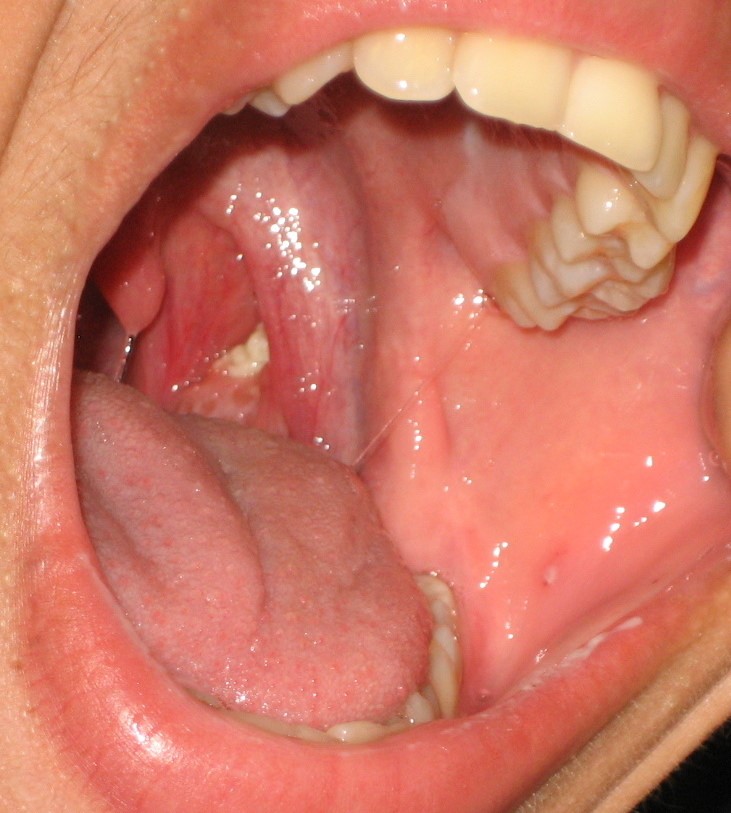
What Are the Symptoms of Tonsil Stones?
They may not always cause symptoms. If symptoms are present, the most common include persistent bad breath, a stuck or foreign body sensation in the throat, discomfort when swallowing, white-yellow spots visible on the tonsils when looking in a mirror, recurrent sore throat, and radiating pain to the ears (referred pain).
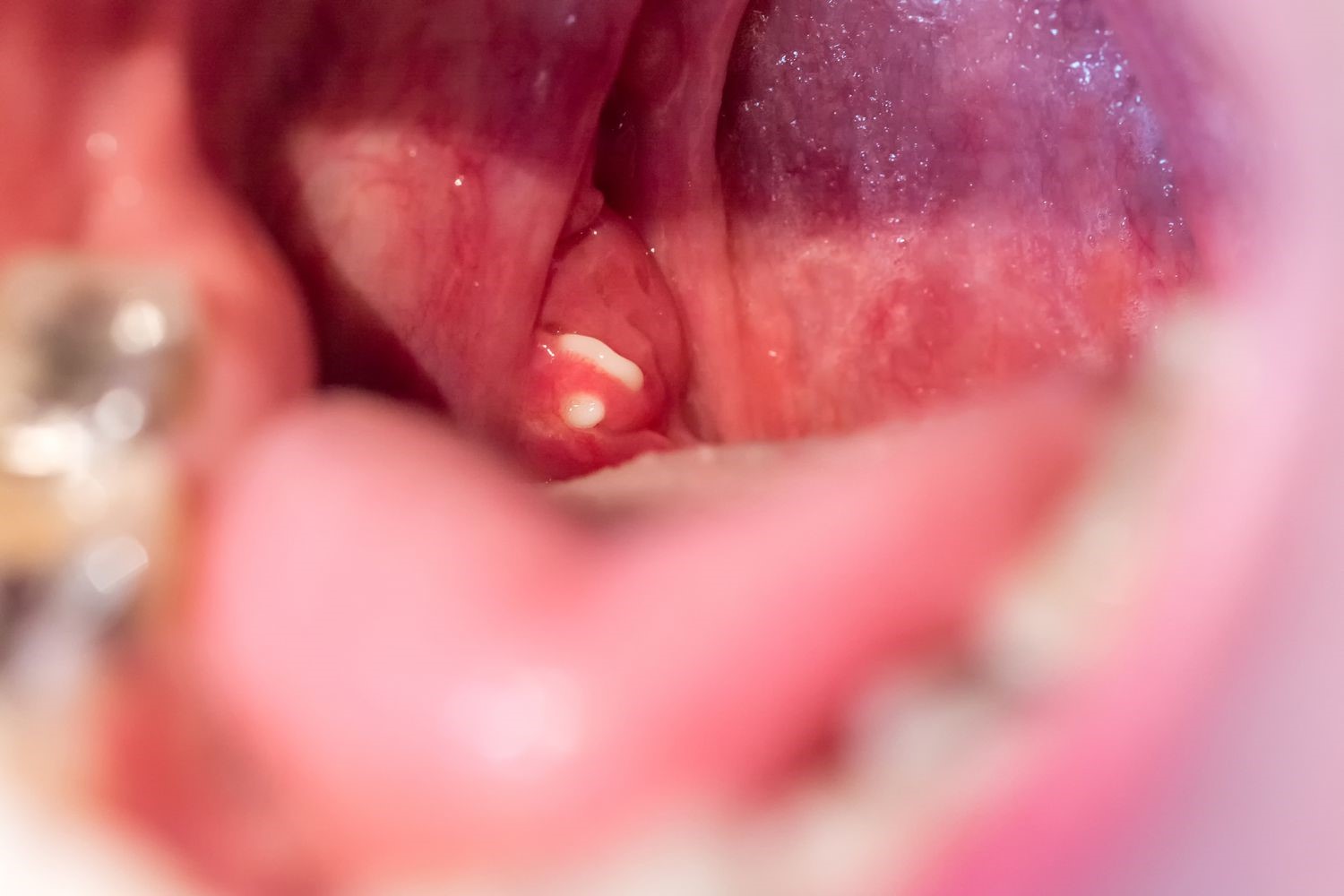
How Are Tonsil Stones Cleaned?
Safe Methods That Can Be Applied at Home
1-Salt water gargle
Warm salt water can help loosen superficial deposits in the crypts.
2-Oral irrigator (at low pressure)
Should be used at a gentle setting without making hard contact directly with the tonsil.
3-Improving oral hygiene
Regular tooth brushing, tongue cleaning, alcohol-free mouth rinses
Using toothpicks, metal objects, or applying hard pressure to clean tonsil stones increases the risk of bleeding and infection.
What Should Not Be Done at Home
- Scraping with hard objects
- Squeezing the tonsils
- Repeated and traumatic interventions
These methods may remove the stone in the short term but can lead to further crypt deepening in the long term.
If stones recur frequently, bad breath affects social life, there is persistent infection in the tonsils, difficulty swallowing, painful swallowing, and unilateral complaints are present, an ENT examination is necessary. During an ENT examination, safe stone removal can be performed with sterile instruments. The permanent solution is complete removal of the tonsils through tonsillectomy surgery. The 2-week period after complete tonsil removal is very painful in adults and carries a risk of bleeding. Therefore, when deemed necessary, the surface of the tonsils and the pits (crypts) where stones accumulate can be shaved with radiofrequency, meaning partial tonsil removal can be performed. This results in less pain and lower bleeding risk. However, due to the tonsils not being completely removed, complaints may continue at a low rate.
