
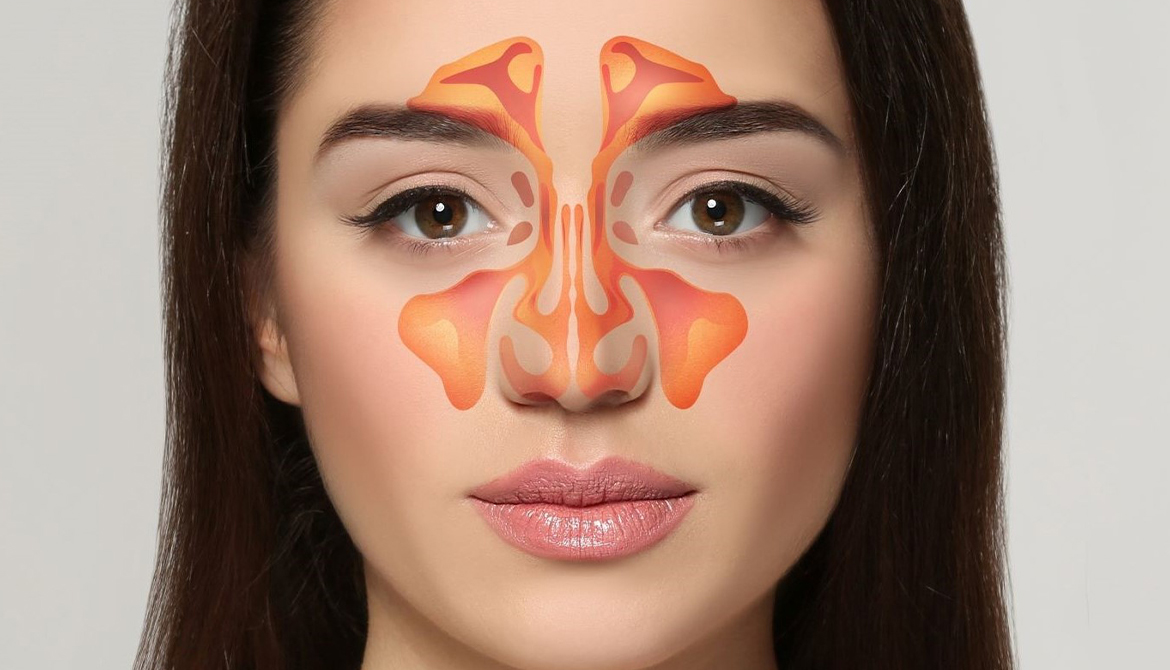
The air-filled cavities located around the nose are called sinuses. These cavities open into the nose through small channels called “ostium”. The function of the sinuses is to humidify the air we breathe, provide sound resonance, and balance the pressure inside the nose.
Inflammation of the sinuses is called sinusitis. If this inflammation lasts longer than 12 weeks, the condition is called chronic (persistent) sinusitis. In chronic sinusitis, the mucosa lining the inner surface of the sinuses becomes inflamed for a long time; this manifests itself with symptoms such as nasal congestion, feeling of fullness in the face, postnasal drip, headache, and decrease in sense of smell.
Causes of Chronic Sinusitis
Chronic sinusitis usually develops due to multiple factors rather than a single cause. The most common causes are allergic rhinitis or chronic allergic mucosal diseases, nasal polyps (nasal polyposis), curvatures in the nasal septum (septum deviation), enlargement of the nasal turbinates (conchae), dental-origin sinus inflammations, recurrent infections or genetic predisposition.
How Is It Diagnosed?
The most important step in diagnosing chronic sinusitis is endoscopic ear nose throat examination.
During this examination, the openings of the sinuses into the nose, polyps, mucosal edema, and nasal discharge are evaluated in detail. The patient’s medical history, past infections, and allergic history are also guiding in diagnosis. When necessary, paranasal sinus tomography is performed to examine the internal structure of the sinuses, obstruction, or bone abnormalities in detail.
Chronic Sinusitis Treatment
Treatment is planned according to the cause and severity of the disease. The first step is maximal medical treatment. This treatment usually includes long-term antibiotic therapy, intranasal corticosteroid sprays, saline (physiological serum, sea water) irrigations, antihistamines or immunotherapies for allergies. If complaints persist despite medication treatment, endoscopic sinus surgery (ESS) comes into question. In this surgical method, special endoscopes are inserted into the nose to widen blocked sinus channels, clean inflamed tissues, and restore airflow. In the same session, if present, septum deviation is corrected and enlarged turbinates are reduced with radiofrequency.
Post-Treatment and Prevention
After surgery, regular nasal irrigations, medication use, and allergy control are important.
Doctor follow-up should not be neglected to keep the inside of the nose healthy. It is necessary to stay away from triggering factors such as cigarettes, polluted air, and allergens as much as possible.
Note from Prof. Dr. Elif Aksoy
Chronic sinusitis is a disease that often significantly reduces quality of life but can be controlled with proper treatment. Each patient’s anatomy and cause of sinusitis are different; therefore, personalized diagnosis and treatment plan are of great importance. Today, sinus surgery can be performed much more comfortably and effectively with endoscopic methods.
Prof. Dr. Elif Aksoy
ENT Specialist
Voice and Swallowing Disorders
